The Far East Westbound (FEWB) ocean freight market from Asia to Europe is currently transitioning into a pre-peak season, due to various reasons.
- Blank Sailings: All ocean alliances have implemented a high volume of blank (canceled) sailings, triggering a severe space contraction where actual deployed capacity has occasionally hovered near 78% of standard levels.
- Equipment & Rollovers: Space constraints have caused container shortages at depots and terminals in Asian hubs. Shippers are experiencing an increase in structural cargo rollovers and deferred bookings.
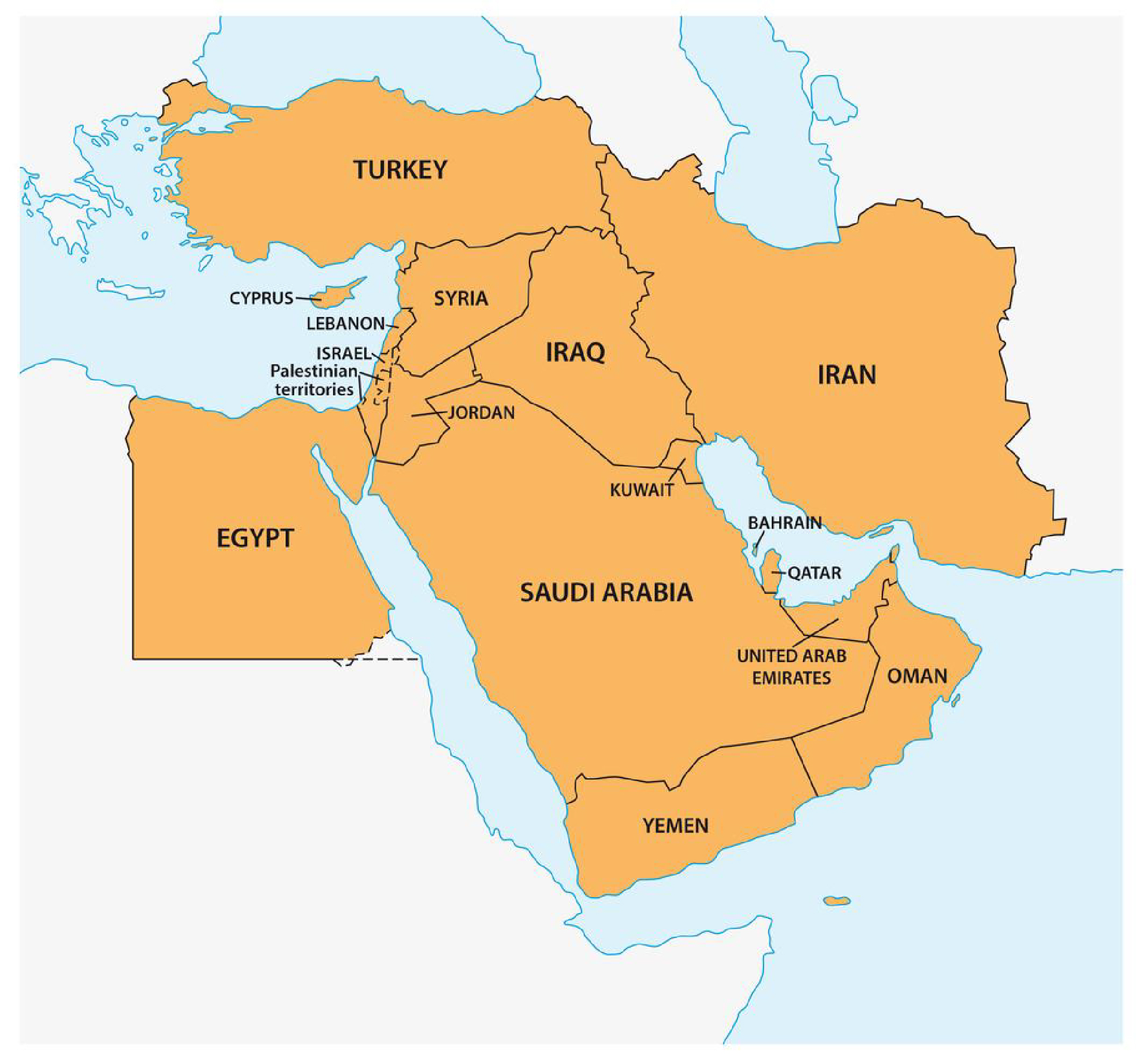
- Suez vs. Cape Route Volatility: While selected carriers have attempted a tentative resumption of Suez Canal paths for specific service loops to save two weeks transit times, the majority of FEWB traffic remains heavily impacted by regional security disruptions.
- Fuel Cost Surcharges: The continuous reliance on long-haul Cape of Good Hope detours combined with rising marine fuel prices has forced carriers to replace base-rate flexibility with mandatory and volatile Emergency Bunker Surcharges (EBS)
- European Port Backlogs: Port congestion remains a factor. Schedule delays continue to cascade into North-West European hub ports like Rotterdam and Antwerp due to erratic vessel arrival slots resulting from the extended transit time.
- Higher demand: Besides all obstacles on the provider side the market situation develops also into higher demand from demand side with increasing number of bookings.
Due to above mentioned reasons and a very tense situation overall, Ocean liners are currently implementing General Rate Increasement (GRI) as well as the introduction of a Peak Season Surcharge (PSS).
